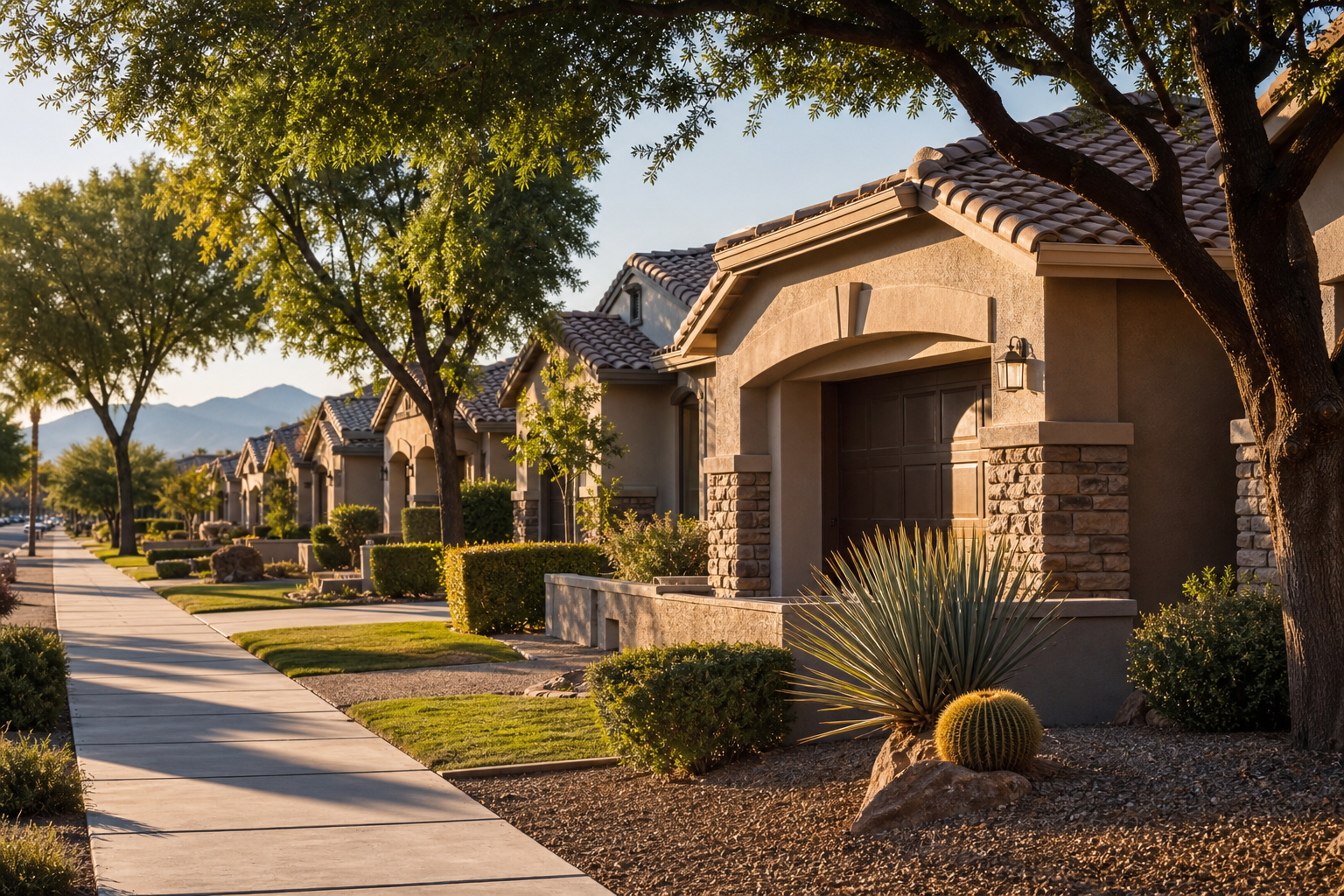
A competitive Phoenix offer balances a price grounded in recent comps with terms that reduce seller risk: strong earnest money tied to written contingencies, a flexible closing date, and appraisal-gap language used selectively. You can stand out without waiving the protections that keep you from overpaying.
How do you make a competitive offer on a Phoenix home without overpaying?
A competitive Phoenix offer pairs a price anchored in recent closed sales with terms that reduce the seller’s uncertainty: credible earnest money tied to written contingencies, a closing date that fits the seller’s timeline, and appraisal-gap language deployed only when the data actually supports it. The goal is to be the easiest offer to say yes to, not the highest number on the page.
Key Takeaways
- Recent local market data shows Chandler homes selling at a median of $524,900 with a median of just 13 days on market, meaning well-priced homes move fast and underprepared offers lose.
- A July 2026 national analysis classified the Phoenix metro as having a “significant shortage” of homes affordable to middle-class buyers, so competition for appropriately priced homes persists even as overall list prices soften.
- Appraisal-gap clauses are a targeted tool for high-demand listings, they work best with a cap, so you demonstrate seriousness without surrendering all protection against overpaying.
- Increasing earnest money without tightening contingencies increases your downside risk; the smarter move is to keep earnest money at a locally credible level while improving non-price terms.
- Seller concessions are realistic in Phoenix when days on market are high or the property needs work, in tight sub-markets, a cleaner offer without concessions usually wins.
Why Phoenix buyers still face real competition in 2026
If you’ve been watching the Phoenix market, you’ve noticed something: list prices have softened in parts of the metro, but that hasn’t made buying easy. A July 2026 national housing analysis from Realtor.com classified Phoenix as having a “significant shortage” of homes affordable to middle-class buyers, meaning the homes that are priced right for most buyers are still drawing real competition, even when the broader price picture looks more balanced.
Recent local market data tells the same story. In Chandler, the median sale price sits at $524,900 and homes are selling in a median of 13 days. That’s not a market where you can afford a sloppy offer or a low-ball price that ignores the comps.
At the same time, Phoenix is highly segmented. The strategy that wins in a high-demand neighborhood with multiple offers is different from what works on a home that’s been sitting for six weeks. Before I write a single word of an offer, I look at what I watch every week in the Southeast Valley market, days on market, list-to-sale ratios, and how many recent comps included concessions. That data tells me whether we’re competing or negotiating.
Here’s how I think about building an offer that wins without overpaying.
Start with closed sales, not list prices
List prices are what sellers hope for. Closed sales are what buyers actually paid. I pull recent sold comparables in the same micro-area, focusing on the last 60-90 days, and use those to anchor what “fair value” looks like right now. That number becomes the foundation of the offer price, and it’s also the number the appraiser is going to land on.
If the comps support the asking price or above it, I’ll recommend meeting or beating it. If the asking price is ahead of the data, I’ll tell you that plainly and show you the math. I don’t buy listings with flattering numbers, and I don’t write offers that ignore them either.
Understand what the seller actually needs
Most sellers have two priorities: price and certainty. Certainty means they believe you’ll actually close, on time, without drama. You can often win a multiple-offer situation by being the most certain buyer in the stack, even if you’re not the highest price. That means a fully underwritten pre-approval letter (not just a pre-qualification), a clean loan type, and terms that match what the seller’s life requires right now.
Ask your agent to find out: Does the seller need a fast close, or do they need time to find their next home? Are they building new construction and waiting on a completion date? Do they have kids changing schools? A closing date that solves a real problem for the seller is worth money, and it costs you nothing.
How to structure contingencies so you’re protected but still competitive
This is where most buyers get it wrong. They think “competitive offer” means “waive everything.” It doesn’t. Waiving contingencies is how you overpay, and how you lose your earnest money if the property turns out to be worth less than you agreed to pay.
The smarter move is to keep your protections and tighten the timelines.
Inspection contingency: shorten it, don’t kill it
The inspection contingency is your single best tool against overpaying for a property with hidden problems. In Phoenix’s climate, HVAC systems, roofs, and plumbing take a beating, an inspection can surface real dollar items that change the value equation entirely. I don’t recommend waiving it.
What you can do: shorten the inspection window to show you’re serious and organized. You can also narrow the scope of what you’ll ask the seller to repair, focusing on major systems rather than a list of cosmetic punch items. That signals you’re a reasonable buyer, not someone who’s going to nickel-and-dime them after acceptance.
Appraisal contingency: use a cap, not a blank check
The Arizona Association of Realtors Residential Resale Purchase Contract includes an appraisal contingency by default for financed buyers. If the home appraises below your agreed purchase price, you generally have three options: renegotiate the price down toward the appraised value, cover some or all of the gap in cash, or exit the contract.
In a multiple-offer situation on a high-demand listing, sellers sometimes expect buyers to include appraisal-gap language, a commitment to cover a certain dollar amount if the appraisal comes in short. This is a legitimate tool. But the key word is “cap.” Agreeing to cover up to a defined amount demonstrates seriousness without surrendering all protection against overpaying. A blank appraisal waiver is a different animal entirely, and I’m cautious about recommending it unless the buyer has strong cash reserves and the comps genuinely support the price.
Appraisal-gap clauses make the most sense when: the listing is in a high-demand area with limited comps, you believe the property is underpriced relative to recent sales, or you have the cash reserves to back it up. They’re not a default tool, they’re a targeted one.
Financing contingency: get underwritten before you offer
One thing worth understanding about Arizona contracts: a buyer generally cannot cancel and recover earnest money simply because they chose not to wire their down payment funds. If the failure to close is within your control, you’re at risk of losing your earnest money. That’s a meaningful distinction, and it’s why I push every buyer to get fully underwritten before making an offer, not just pre-qualified.
A fully underwritten approval letter tells the seller their financing risk is real, not theoretical. It’s one of the most powerful non-price improvements you can make to an offer, and according to Arizona contract practice, it’s also the thing that protects you if something does go sideways.
Earnest money, closing terms, and seller concessions
Earnest money: credible, not reckless
Earnest money signals your seriousness. In Phoenix, the right amount is whatever reads as credible for the price point, not so low it looks like you’re not committed, not so high that you’re taking on risk you don’t need to take. More is not automatically better.
Here’s the piece most buyers miss: increasing your earnest money without tightening your contingencies increases your downside risk without adding protection. The smarter approach is to keep earnest money at a locally credible level, make sure it’s deposited promptly with a reputable escrow company, and tie it clearly to your written contingencies. That way, if the inspection reveals a deal-breaker or the appraisal comes in short and you can’t bridge the gap, you have a contractual path to exit without forfeiture.
Avoid any informal “as-is” statements or verbal agreements that might undermine your written rights. If it’s not in the contract, it doesn’t protect you.
Flexible closing terms: a real competitive edge
Phoenix practice regularly includes post-possession arrangements, sometimes called lease-backs, where the seller stays in the property for a short period after closing. This is a meaningful offer of flexibility that many buyers overlook. Offering a seller a short rent-back can allow you to keep your inspection and appraisal contingencies intact while competing on something other than pure price.
I’ve seen flexible closing terms tip a close decision in a buyer’s favor when two offers were otherwise nearly identical. Find out what the seller needs and give it to them. It costs you very little and can mean everything to them.
Seller concessions: read the market first
Asking for seller concessions, closing cost credits, rate buydowns, repair credits, is realistic in some Phoenix sub-markets and counterproductive in others. In a pocket where homes are sitting and sellers are motivated, concessions are often available without significantly inflating the headline price, especially when recent comparable sales also included them.
In a tight sub-market where the listing has been active for under two weeks and you’re competing against other offers, a request for concessions can make your offer look weaker than a cleaner one at the same price. I look at days on market for the specific property and how many recent comps included concessions before I recommend asking for them. The data tells the story.
Here’s a snapshot of current conditions across the two markets I work most closely:
| Area | Median Sale Price | Median Days on Market |
|---|---|---|
| Chandler | $524,900 | 13 |
| Heber | $445,000 | 48 |
Chandler’s 13-day median means most well-priced homes are gone before a second showing. Heber’s 48-day median suggests a more negotiating-friendly environment where concessions and longer contingency windows are more realistic. Same state, very different conversations.
Your specific situation, price point, neighborhood, competition level, and how much cash you have available, is what determines the right mix of price and terms. That’s exactly the kind of analysis I walk my clients through before we write a single word.
—I’d love to hear what other buyers and sellers have experienced in this market. If you’ve worked with me, I’d be grateful if you took a moment to share your experience on Google or Zillow.
Frequently Asked Questions
How can I make a strong offer on a Phoenix house without waiving every contingency and risking my earnest money?
Keep your inspection, appraisal, and financing contingencies in place and compete on timelines and terms instead. Shortening your inspection window, getting fully underwritten before you offer, and aligning your closing date with the seller’s needs all signal seriousness without surrendering the protections that let you exit if the home turns out to be worth less than you agreed to pay. Earnest money tied clearly to written contingencies is safe earnest money.
Do I really need an appraisal-gap clause in Phoenix, or is that only for bidding wars?
Appraisal-gap language is most useful on high-demand listings where multiple offers are likely and the comps may not fully support the price buyers are competing at. In more balanced sub-markets, or on homes that have been sitting, it’s often unnecessary. When you do include one, structure it with a cap so you’re covering a defined maximum gap, not writing a blank check. Whether you need it depends on the specific listing, and that’s a conversation worth having with your agent before you offer.
What’s the smartest way to use earnest money in Arizona so my offer stands out but I don’t lose everything if something goes wrong?
Deposit earnest money promptly with a reputable escrow company and make sure it’s explicitly tied to your written contingencies in the contract. A larger earnest money amount without strong contingency language increases your risk, if you need to exit, your path to a refund runs through those contingencies. The goal is credible, not maximum, and the contract language around it matters as much as the dollar amount.
Is it better to offer over asking in Phoenix or to sweeten the terms instead?
It depends on what the comps say and what the seller needs. If recent closed sales support the asking price or above it, meeting or beating it is often necessary in a competitive sub-market like Chandler where homes sell in a median of 13 days. If the asking price is ahead of the data, improving terms, flexible closing date, post-possession arrangement, fully underwritten approval, can win the deal without committing you to a price the appraisal won’t support. Price and terms work together; neither alone is always the answer.
Can I ask for seller concessions in Phoenix without making my offer look weak?
Yes, in the right conditions. When days on market are elevated, the property needs cosmetic work, or recent comparable sales included concessions, asking for a credit or rate buydown is realistic and unlikely to hurt you. In a fast-moving sub-market where you’re competing against other buyers, a request for concessions on an otherwise equal offer can tip the decision toward the cleaner bid. Check the days-on-market and recent comp data for that specific listing before you ask.
—The bottom line: a competitive Phoenix offer isn’t about throwing the highest number at a seller and hoping it sticks. It’s about showing up with a price grounded in the data, terms that solve the seller’s real problems, and contingencies that protect you if the numbers don’t hold. If you want to talk through what that looks like for a specific home you’re considering, call me at 480-466-6320 or request a free home evaluation and we’ll work through it together.
Equal Housing Opportunity. Merrill Jencks, Salesperson, licensed by the Arizona Department of Real Estate, The Big Helper Group brokered by REAL Broker. This article is general information only and is not legal, tax, or financial advice. Confirm your specific numbers and transaction details with your closing agent, tax advisor, or lender.